
The Fondation Martin Bodmer in Cologny holds nearly 150,000 documents in some 120 languages, from ancient papyri to modern autographs. Its museum showcases pieces that trace the history of writing and human thought.
Themed museums
Main highlights
- A library of 150,000 documents in 120 languages, listed on UNESCO’s Memory of the World register
- The Bodmer Papyri, among the oldest surviving copies of the New Testament
- A museum by Mario Botta set within the landscaped gardens of a 50-hectare estate
Overview
In 1930, Martin Bodmer settled in Cologny and acquired plots of land around the Gautier estate. He built up a property of more than 50 hectares with one goal : to gather humanity’s major texts in their original form.
On 6 October 1951, he opened the Bibliotheca Bodmeriana. The foundation bearing his name was established in 1971. Listed on UNESCO’s Memory of the World programme, the collection comprises nearly 150,000 documents written in around 120 languages. It also welcomes researchers from around the world who study ancient manuscripts.
"*" indicates required fields
What to see and do
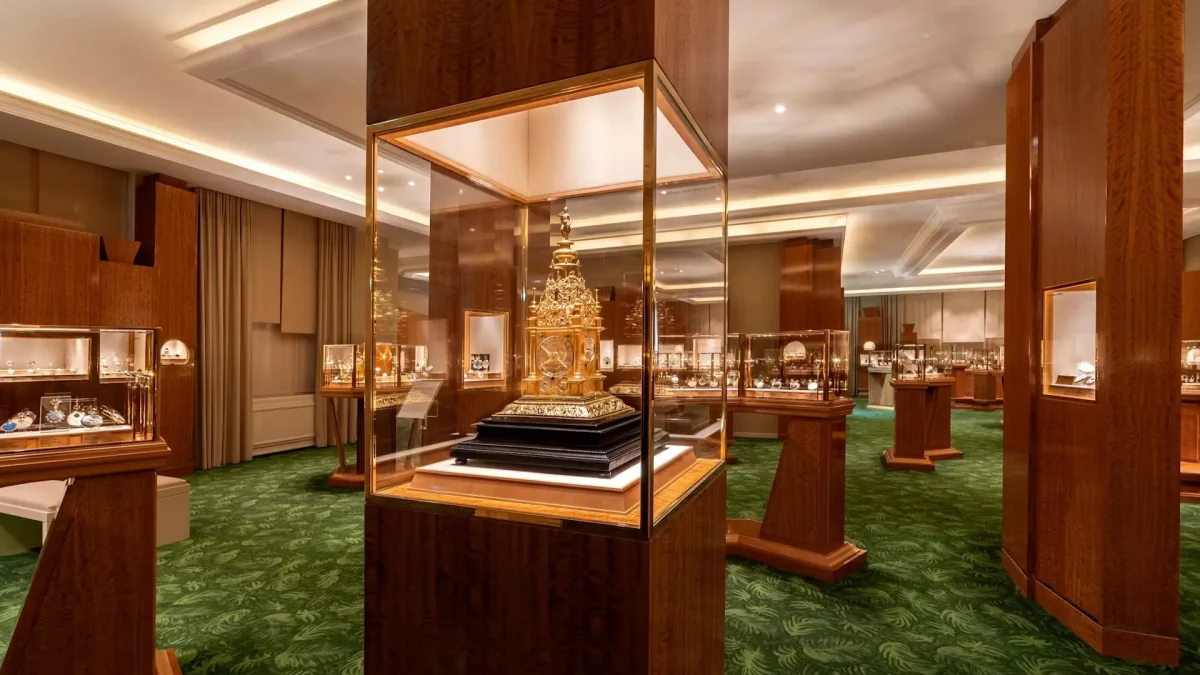
The museum displays papyri, Western and Eastern medieval manuscripts, autographs and rare engravings. Among its highlights is one of the 48 known copies of the first edition of the Gutenberg Bible.
The foundation is home to the Bodmer Papyri, which rank among the oldest surviving copies of the New Testament in the world. These documents shed light on the origins of Christianity and the transmission of texts.
The exhibition spaces, designed by Ticino architect Mario Botta, are set within the estate’s landscaped gardens. The visit includes multimedia installations. Visitors also have access to education rooms and a cinema.
Practical information
Getting there : the foundation is located in Cologny, on the south shore of Lake Geneva, near Geneva.
Visitors : the museum is accessible to people with disabilities. The collection will appeal to lovers of history, literature and antique books.
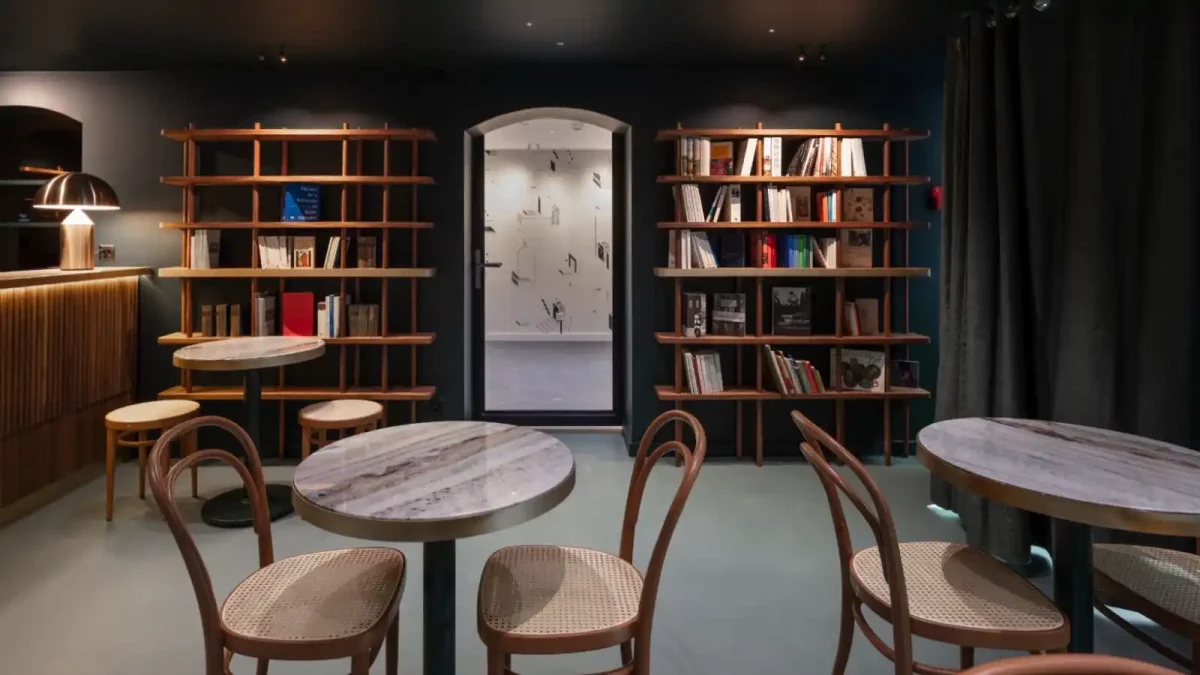
On site : bookshop, cafeteria, education rooms, cinema and gardens.
Visiting tips
The documents on display call for careful reading, so allow plenty of time to explore the rooms. Guided tours shed light on the historical and literary context of the works on show.
To extend your day in Geneva, check out the selection Geneva, between lakes, mountains and cosmopolitanism.
Nearby
- The Parc and Villa La Grange is a 25-hectare estate on the shores of Lake Geneva, with a rose garden and a variety of gardens.
- The Geneva Museum of the History of Science occupies the Bartholoni pavilion, an 18th-century residence facing the lake.
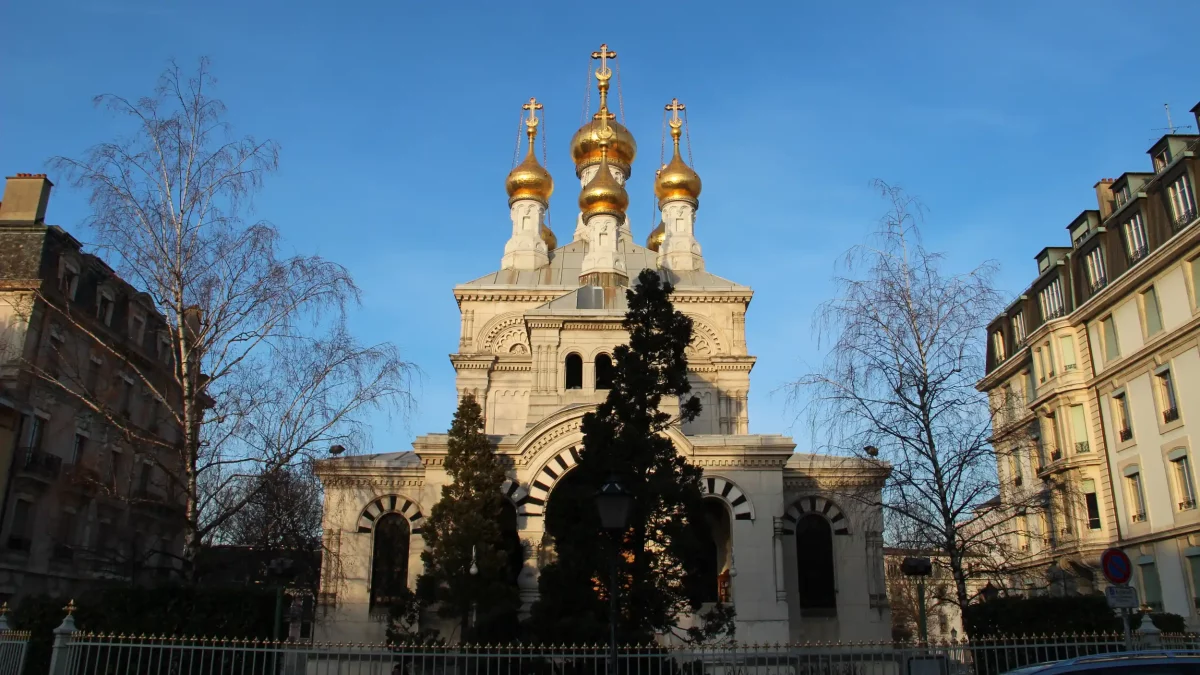
- The Cathedral of the Exaltation of the Holy Cross is a neo-Russian-style Orthodox church built between 1863 and 1866.
 Report an error or complete the informations
Reviews about this place