
The Geneva Museum of the History of Science displays over 3,000 scientific instruments from the 16th to the 19th century. Housed in the Bartholoni Pavilion, a neoclassical villa set in a park on the shores of Lake Geneva, it also offers workshops for families and schools.
Natural science museums
Geneva Museum of the History of Science
Main highlights
- Over 3,000 scientific instruments from the 16th to the 19th century, from astronomy to medicine
- Bartholoni Pavilion, a neoclassical villa built around 1830 in a 2.5-hectare park
- Workshops for families and schools with hands-on replicas of historic instruments
Overview
The Museum of the History of Science opened in 1987 in the Bartholoni Pavilion. This neoclassical villa was built around 1830 by the architect Samuel Vaucher. The Bartholoni family bequeathed it to the City of Geneva in 1980, together with its 2.5-hectare lakeside park.
The collections bring together over 3,000 instruments tracing the development of knowledge from the 16th to the 19th century. Most come from the University of Geneva, the Astronomical Observatory and private donations. Each room covers a specific field : astronomy, physics, mathematics, medicine or geodesy.
"*" indicates required fields
What to see and do
The astronomy section features telescopes, astrolabes, armillary spheres and planetary models. Several instruments once belonged to the Geneva Observatory, founded in 1772. The objects are presented in their historical and scientific context.
The physics rooms display electrostatic machines, precision scales, optical devices and mechanical instruments, including pieces made by leading European instrument makers. The medical section presents surgical instruments, anatomical models and therapeutic devices.
The museum regularly hosts temporary exhibitions on the history of science, bringing out objects usually kept in storage. Interactive workshops let families and school groups handle replicas of historic instruments to understand how they work.
Practical information
Getting there : tram 15, Sécheron stop, or buses 1, 25 and 28. Parking is available for visitors in the park.
Visit duration : allow 1.5 to 2 hours for the permanent collections.
Visitors : guided tours by reservation in French, English and German, audio guides in several languages, and child-friendly materials.
On site : a bookshop specialising in the history of science, with replica instruments.
Visiting tips
Start with the astronomy section, which often holds the oldest instruments and makes a good introduction to the rest of the tour. If you’re visiting with children, check the workshop schedule before you come.
Save some time for Parc Bartholoni and its century-old trees, which offers open views of the lake and Mont Blanc.
Nearby
- The Bains des Pâquis, on the shores of Lake Geneva, welcome swimmers and fondue lovers in both summer and winter.
- The MICR International Red Cross and Red Crescent Museum, opposite the Palais des Nations, is dedicated to humanitarian action.
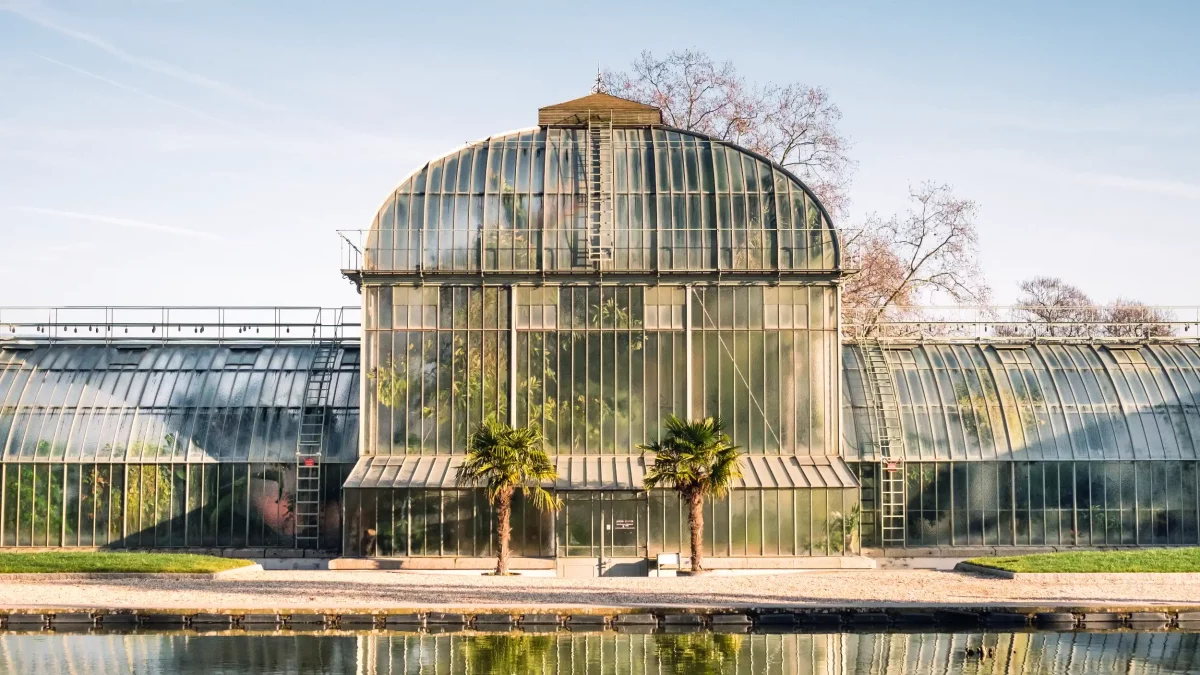
- The Geneva Conservatory and Botanical Garden showcases a collection of living plants all year round.
 Report an error or complete the informations
Reviews about this place