Geneva, between lakes, mountains and cosmopolitan flair
Geneva is a city that is both international and very accessible, set on the shores of Lake Geneva, between mountains and vineyards. In a short time, you can take in a characterful old town, high-quality museums, lively lakefront promenades, and foodie stops well worth the detour.
On Discovr, we offer a clear selection of places and experiences to help you build a visit that suits you, whether you’re coming for a day, a weekend, or simply looking for an outing idea. The goal is simple : help you choose quickly, avoid disappointment, and enjoy Geneva without spreading yourself too thin.
Discovr Selection
We have selected the must-see places for your trip : accessible, memorable and easy to fit into an itinerary. Each card leads to a full page with access details, tips and practical information.
Geneva at a glance : the essentials for planning your visit
To help you choose quickly, we have prepared three sample itineraries. They don’t try to cover everything, but to give you a well-balanced first experience : the historic centre, the lakeside and a touch of culture.
Geneva in 1 day
Morning : the Old Town and St. Pierre Cathedral, then head down to the lakefront.
Midday : a break by the lake.
Afternoon : the Jet d’Eau and a stroll along the shore, then a museum of your choice.
Geneva in a weekend
Day one : start with the historic centre. Wander through the Old Town, pass by Place du Bourg-de-Four and climb up to St. Pierre Cathedral. Then head back down to Rue du Rhône for some shopping (or window-shopping), before making your way to the harbour to admire the Jet d’Eau. Continue with a crossing on the Mouettes Genevoises, walk through the Jardin Anglais and stop by the Flower Clock. Finish with a stroll along the lakefront : the Bains des Pâquis for a friendly atmosphere, or Quai du Mont-Blanc for a more elegant end to the day.
Day two : focus on International Geneva and its museums. Start with the Nations district (the United Nations museum or the International Red Cross and Red Crescent Museum, depending on your interests), then treat yourself to a break in one of the city’s large parks (Parc de La Grange or Parc des Bastions). In the late afternoon, choose one last “signature” visit (watchmaking, art or science), or simply linger by the lake if the weather is good.
Geneva with children
Opt for lakeside walks, a few parks, child-friendly museums and short but varied activities, with regular breaks : Geneva lends itself well to a “bite-sized” itinerary
(c) Envato
Must-sees
The Jet d’Eau
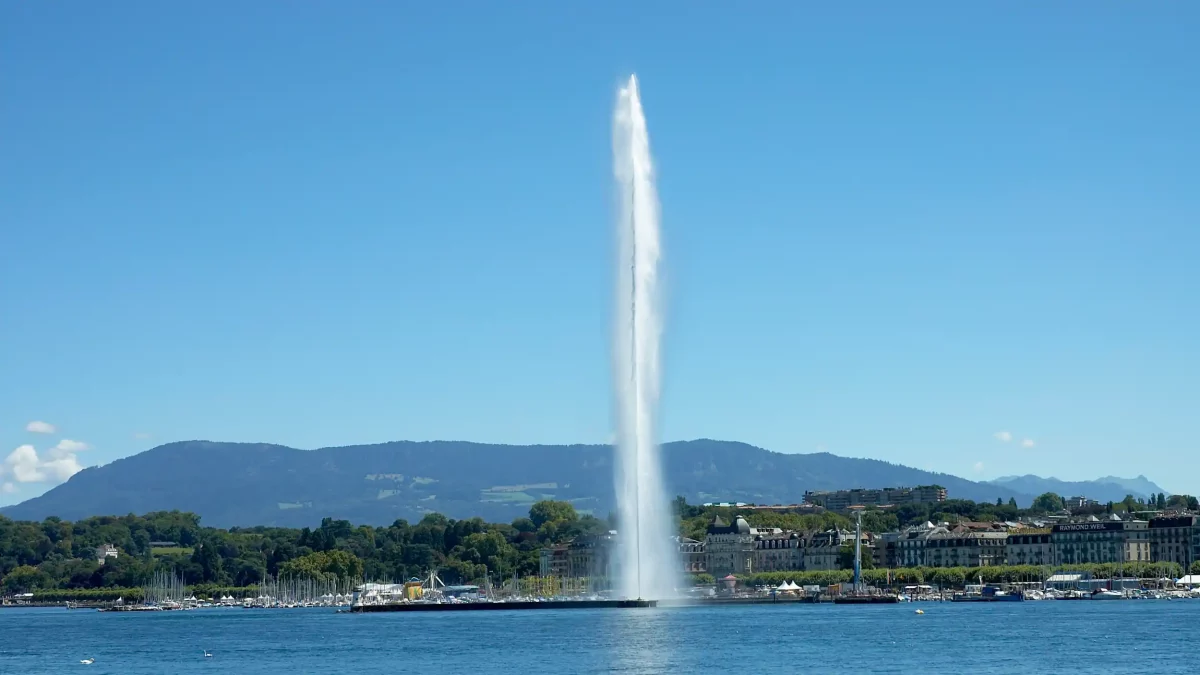
You can’t miss it : this 140-metre column of water rises from the end of the Eaux-Vives jetty. A symbol of the city since 1891, the Jet d’Eau puts on a constant show, visible from the lakefront. You can get close by walking along the jetty, but watch out for the spray when the wind blows your way. The best view is from the Bains des Pâquis or Quai du Mont-Blanc, where you can take in its full scale.
The Old Town and St. Pierre Cathedral
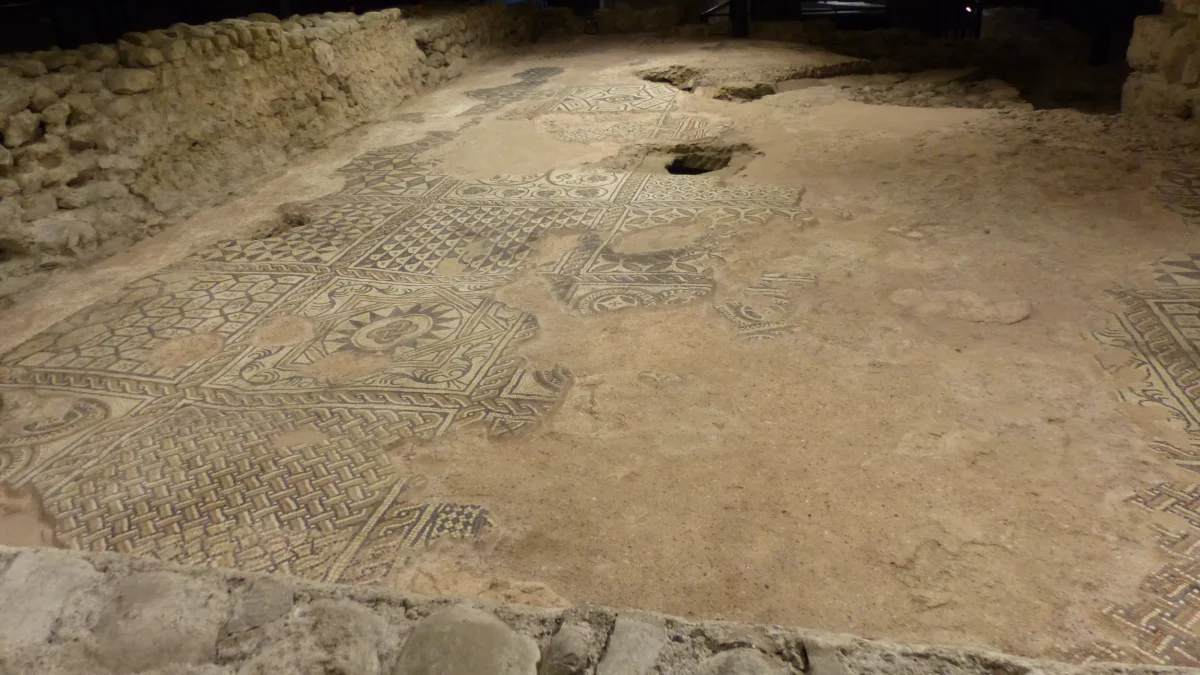
The historic heart centres on the cathedral, a Romanesque and Gothic building that dominates the hill. Climbing its towers rewards you with a sweeping view over the harbour and the city’s rooftops. Inside, the archaeological site beneath the building reveals successive foundations dating back to Antiquity. The surrounding lanes, with their covered passageways and Renaissance façades, invite you to wander without a set route.
The Palais des Nations
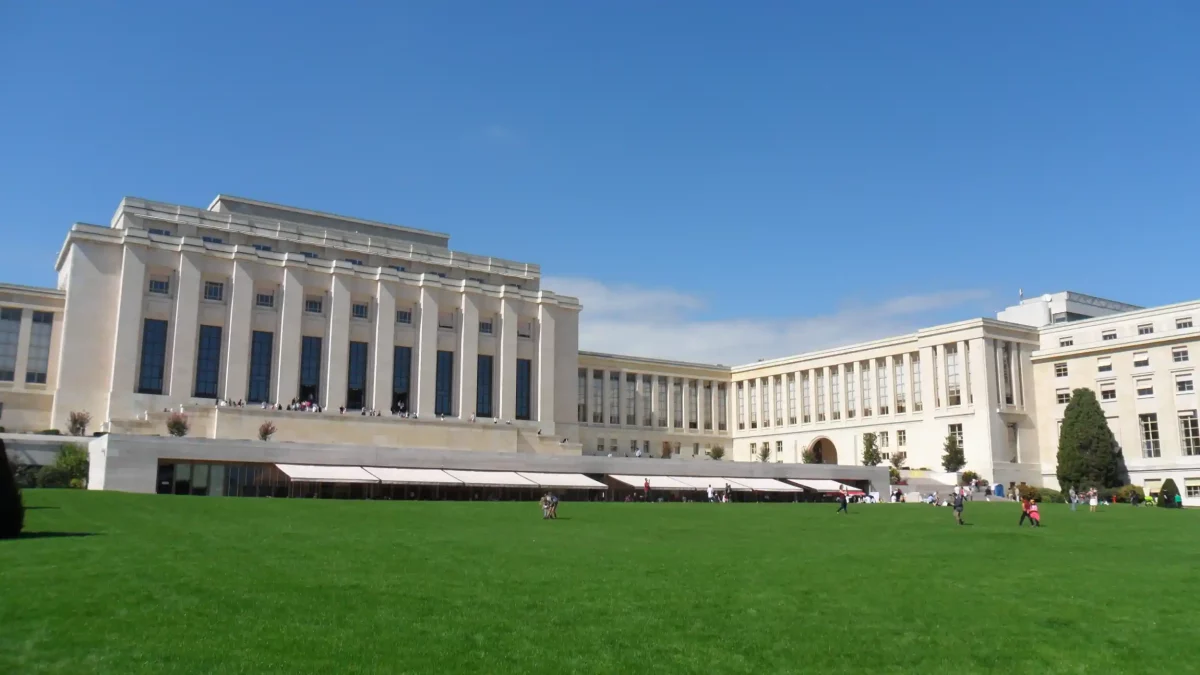
The European headquarters of the UN, the Palais des Nations can be visited by reservation. Its 1930s architecture impresses with its sheer scale, and the Human Rights Room features Miquel Barceló’s monumental ceiling. The guided tour gives access to the conference rooms and a behind-the-scenes look at international diplomacy. The surrounding Ariana Park remains freely accessible.
The Bains des Pâquis
This Geneva institution is open all year round : lake swimming in summer, sauna and hammam in winter. The atmosphere is relaxed and unpretentious, and the fondue served at the restaurant is as much of a draw as the swimming. It’s a place where Geneva comes together, far from the formality it is sometimes credited with.
The Jardin Anglais and the Flower Clock
This lakeside park is home to the famous Flower Clock, a nod to Geneva’s watchmaking tradition. Somewhat kitsch but photogenic, its designs change with the seasons. The garden itself is a handy starting point for walking along the lakefront towards the Jet d’Eau or the harbour.
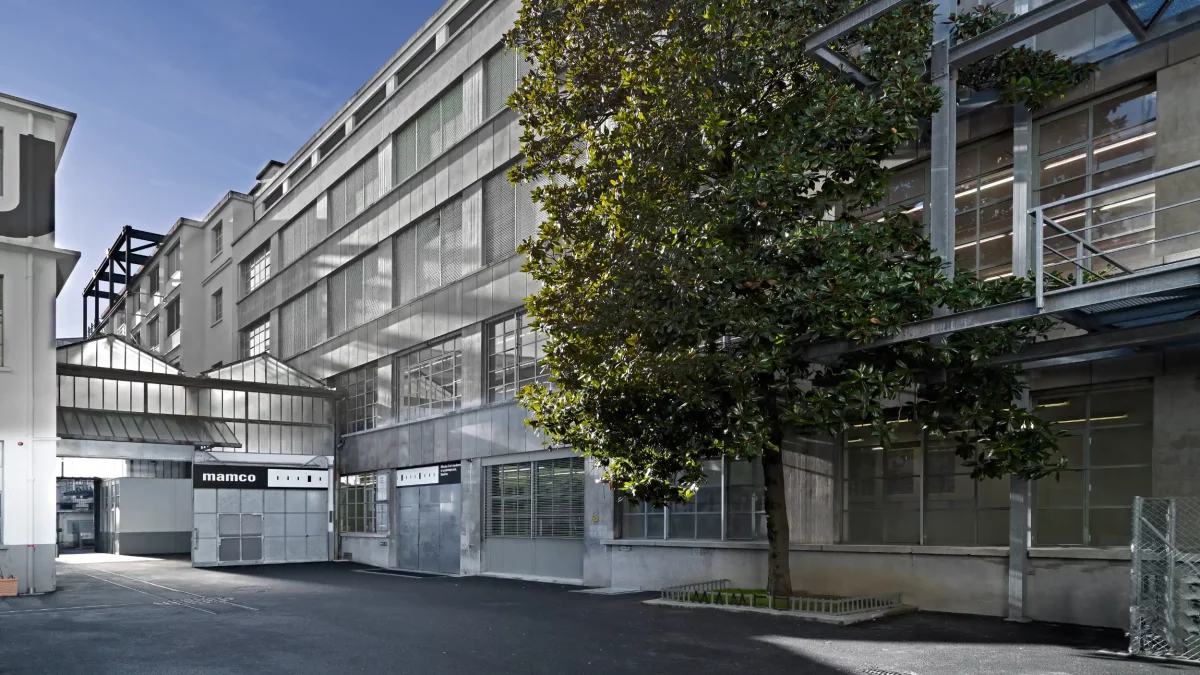
MAMCO
The Museum of Modern and Contemporary Art occupies a converted former factory. Its collections rotate regularly, with particular attention paid to Swiss artists and avant-garde movements. The building’s industrial architecture complements the works on display well. A must if you want to understand current trends in art.
The Grottes district
Often overlooked by standard tours, this working-class neighbourhood is home to the “Schtroumpfs” (Smurfs), a colourful housing complex built in the 1980s. Its organic architecture stands out in Geneva’s urban landscape. The area also has alternative cafés, artists’ studios and an authentic neighbourhood life.
Geneva Water Fountain (Jet d’Eau)
The Jet d’Eau de Genève sends a 140-metre column of water above the harbour from the Eaux-Vives jetty. You can watch it from the quays, walk up close along the jetty or discover it from a boat on the lake.
Archaeological Site of St. Pierre Cathedral, Geneva
Beneath Geneva’s St. Pierre Cathedral, this archaeological site showcases the remains of churches dating back to the late 4th century. An underground trail takes you back in time, from the hill’s pre-Christian traces to the Middle Ages.
The Palais des Nations in Geneva houses the European headquarters of the United Nations, built between 1929 and 1936 in Ariana Park. A guided tour takes you through the historic assembly halls and artworks donated by member states.
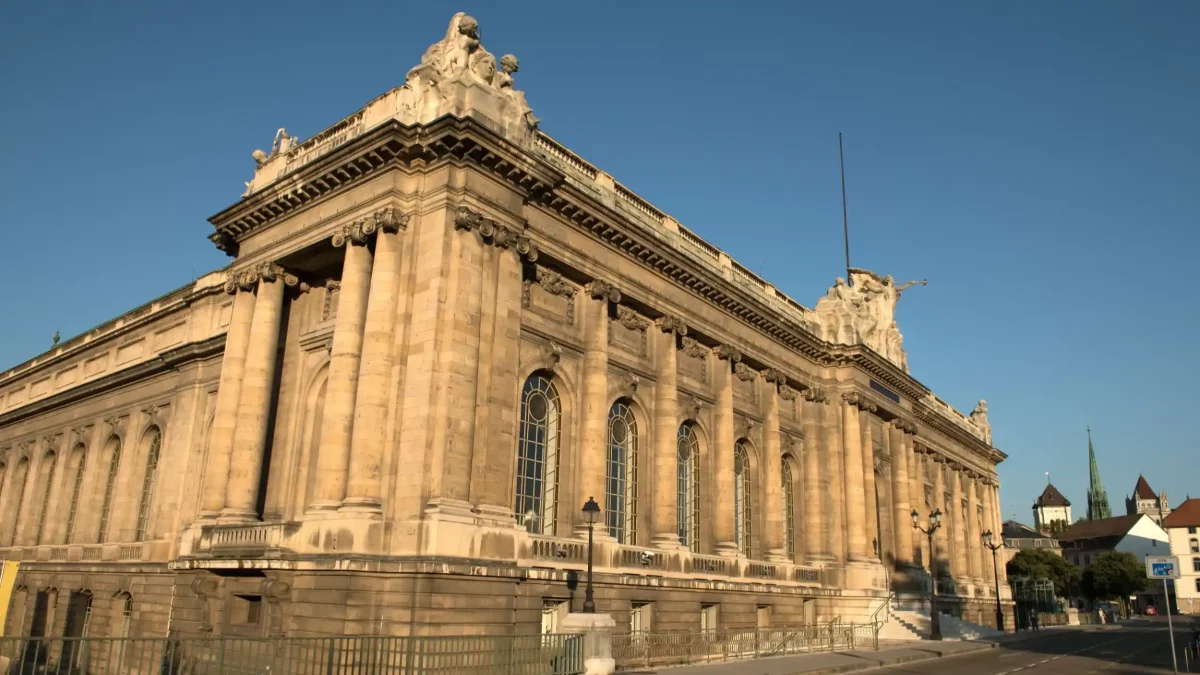
The Museum of Art and History in Geneva brings together more than 650,000 objects, from ancient archaeology to fine and applied arts. Opened in 1910 in the Tranchées district, it spreads over four levels, with its Egyptian collections a highlight.
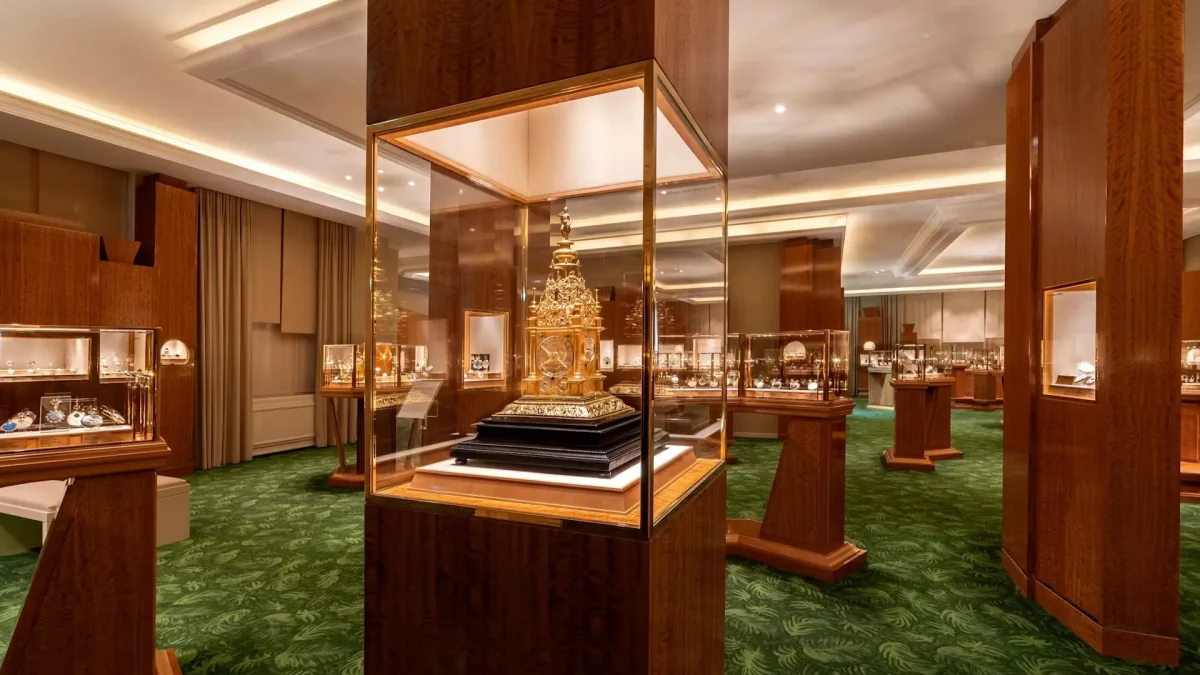
Geneva’s Patek Philippe Museum showcases more than five centuries of watchmaking artistry in a fully restored Art Deco building. Discover nearly 2,500 watches, automata and precious objects, from 16th-century antique pieces to the manufacture’s own creations.
MICR International Red Cross and Red Crescent Museum
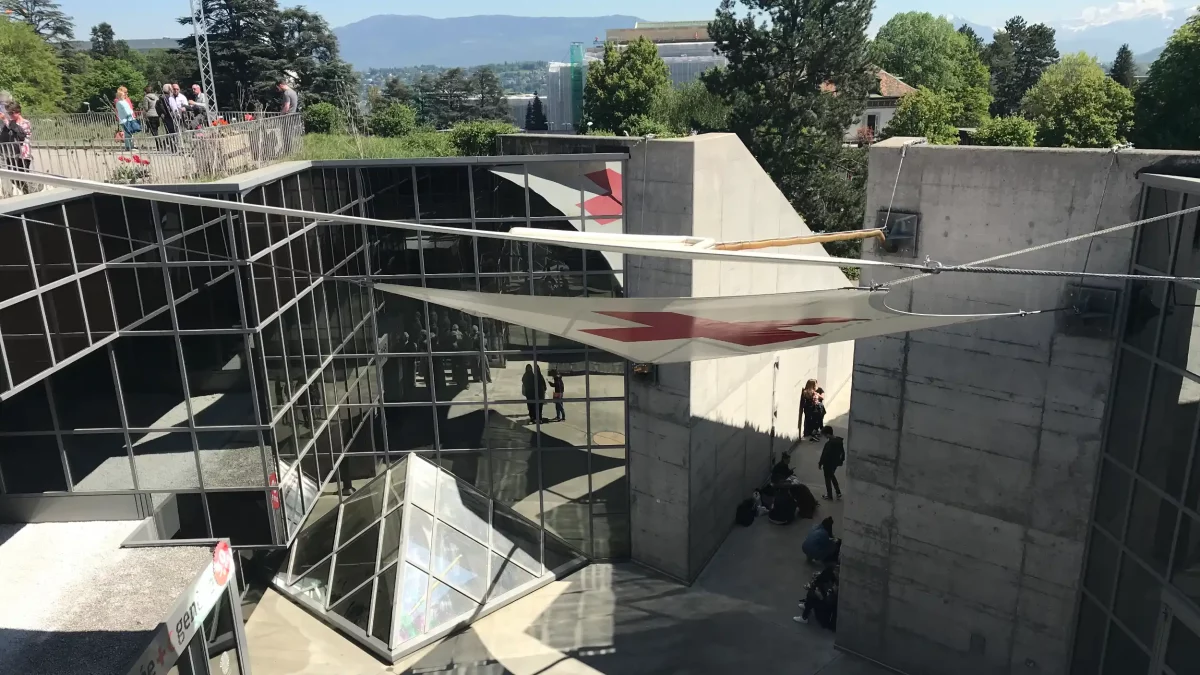
The International Red Cross and Red Crescent Museum in Geneva explores the history and challenges of humanitarian action. Opened in 1988 opposite the Palais des Nations, it features a permanent exhibition, an interactive timeline and personal testimonies.
The Fondation Martin Bodmer in Cologny holds nearly 150,000 documents in some 120 languages, from ancient papyri to modern autographs. Its museum showcases pieces that trace the history of writing and human thought.
Walking along the lake from the Jardin Anglais to Genève-Plage lets you appreciate the full sweep of the harbour. The route passes parks, marinas and beaches. Allow about an hour on foot, or hop on a bike to go faster. The Mouettes Genevoises (small shuttle boats) also let you cross the harbour cheaply.
The Bois de la Bâtie
A green lung of the city, this wooded park is home to a small free zoo (deer, ibex, peacocks). Trails wind between the trees, perfect for a walk away from the urban bustle. A modern playground delights children.
The Salève
Technically in neighbouring France, this “balcony of Geneva” is just 20 minutes from the city. The cable car climbs to 1,100 metres for a sweeping view over Geneva, the lake and Mont Blanc. At the top, hiking trails head off in several directions. The site is family-friendly.
Parc and Villa La Grange
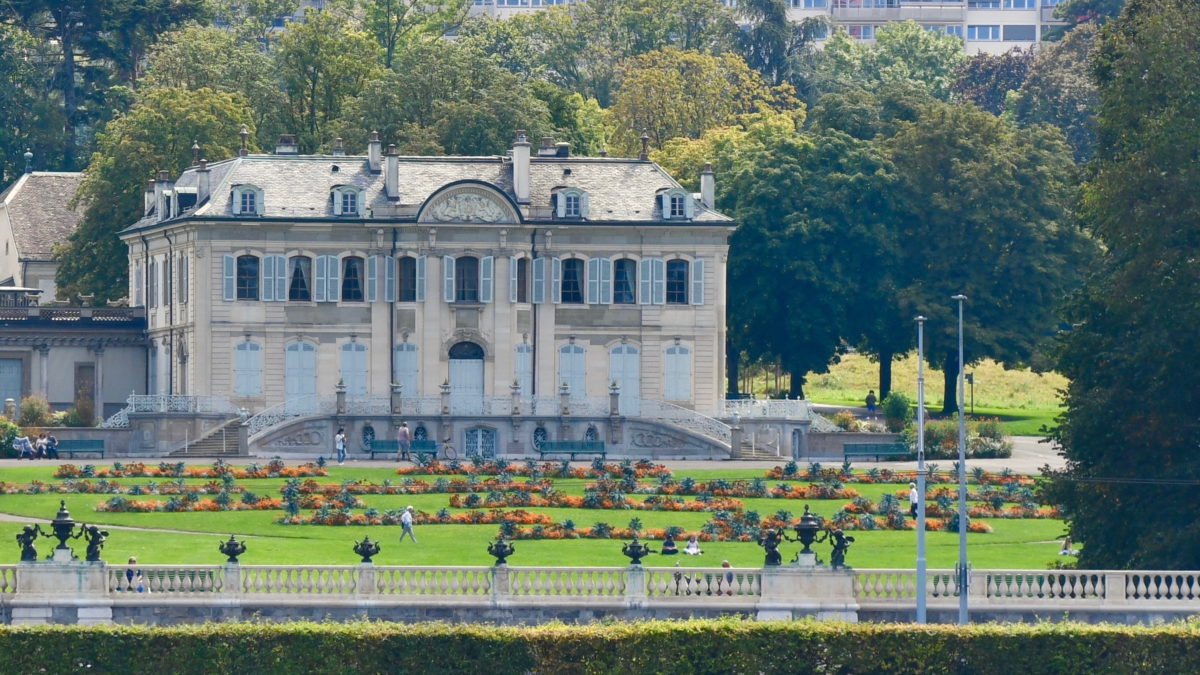
Parc La Grange is a 25-hectare estate on the shores of Lake Geneva, in Geneva, known for its rose garden of around 12,000 rose bushes. You can explore a French formal garden, an English landscape garden and lawns overlooking the lake.
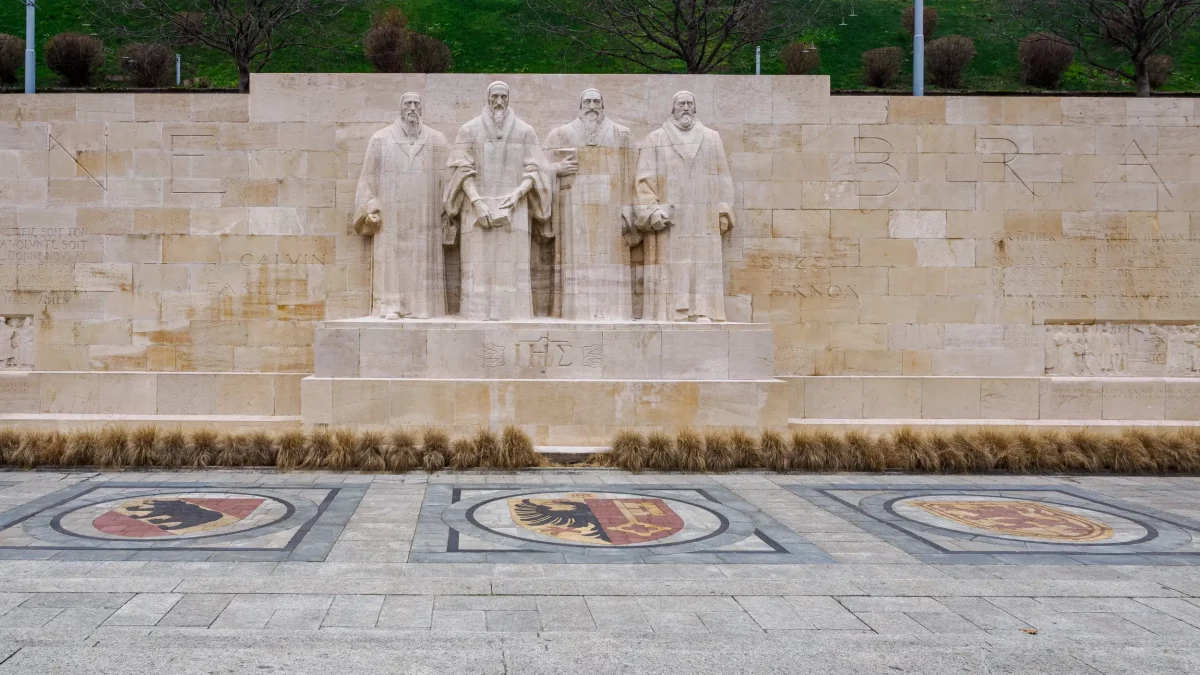
In Geneva’s Parc des Bastions, the Reformation Wall lines up its stone figures at the foot of the Old Town ramparts. This monument pays tribute to the figures of the Protestant Reformation who shaped the history of Geneva and Europe.
Several companies offer crossings to Lausanne, Évian or Montreux. CGN’s Belle Époque steamers add a touch of retro charm. For a short outing, the one-hour mini-cruise tours the harbour. Be sure to check the timetables, which change with the seasons.
Plaine de Plainpalais market
This open-air market runs several times a week : food on Tuesdays and Fridays, flea market on Wednesdays and Saturdays. The atmosphere is lively and cosmopolitan, and the stalls reflect the diversity of Geneva’s population. A great way to take the city’s pulse.
Cycling along the Rhône
A dedicated cycle path follows the river from the city centre. Downstream, it leads towards Versoix and the lake; upstream, it climbs gently towards the Verbois dam. Bike rental and loans via Genève Roule.
Hammam and sauna at the Bains des Pâquis
In winter, the Bains become a popular place to recharge. The Finnish sauna looks straight out onto the lake, and the hot-cold alternation takes place in a good-natured atmosphere. No unnecessary luxury, just the essentials, in an authentic setting.
(c) Unsplash
Family outings
Parc des Bastions and the giant chessboard
The park has a ground-level chessboard where children can play with life-size pieces. The Reformation Wall impresses with its size, even if it holds limited interest for younger children. The nearby playgrounds make up for it.
Genève-Plage
This lakeside beach complex offers pools, slides and shady lawns. Admission is charged, but everything is well maintained. Perfect for a relaxing afternoon in summer.
Geneva Natural History Museum
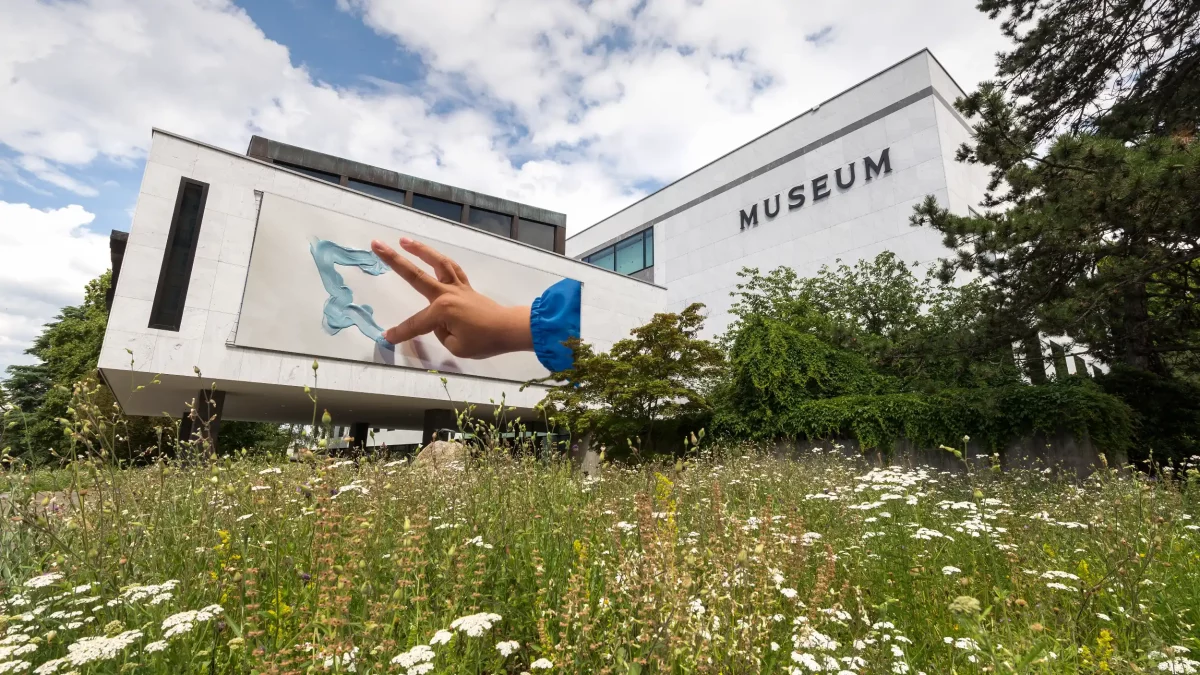
The Geneva Natural History Museum showcases the diversity of life and the mineral world through life-size dioramas and renowned scientific collections. Across four levels, you’ll discover wildlife from around the globe, minerals, fossils and live animals.
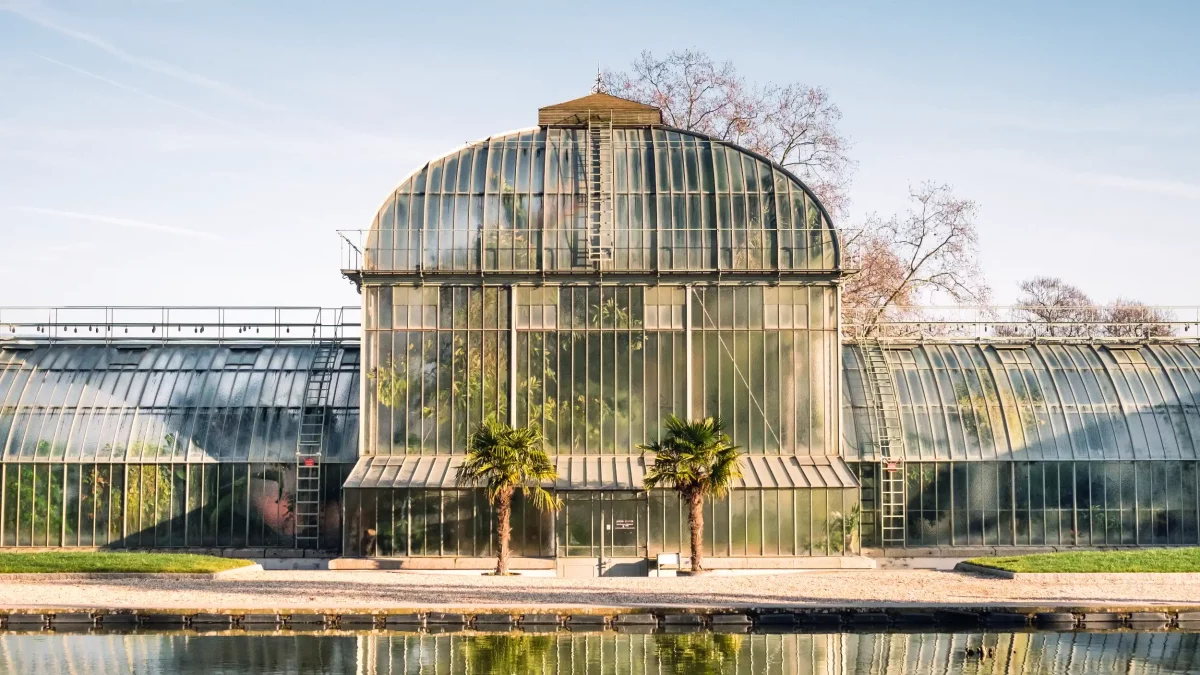
The Geneva Conservatory and Botanical Garden showcases more than 16,000 plant species from around the world across 28 hectares, on the edge of Geneva. Explore themed gardens, tropical greenhouses and an animal park, all free of charge.
Located in the far south-west of Switzerland, Geneva lies on the shores of Lake Geneva, on the border with France. The city is very well connected to the rest of Switzerland by train, and its airport is just minutes from the centre. For a first visit, aim for a base near the lakefront or the Old Town : you’ll easily reach the main sights on foot or by public transport.
From Bern : 160 km, approx. 2 h 00 by car / 1 h 45 by train
From Zurich : 280 km, approx. 3 h 15 by car / 3 h 00 by train
From Lugano : 370 km, approx. 4 h 30 by car / 5 h 00 by train
Road and rail access : The A1 motorway links Geneva to Lausanne, Bern and Zurich, while the A9 heads towards Valais and the Alps.Geneva’s SBB station (Cornavin) is a major rail hub, served by regional, InterCity and international trains, as well as TGV and SNCF trains providing fast connections to Annecy, Lyon and Paris in particular.
By air : Geneva Airport is about 10 minutes from the city centre by train or bus; Zurich Airport is 3 h 10 away by train.
By lake : Geneva is served by CGN boats, connecting to the various ports around Lake Geneva, in both Switzerland and France.
Zurich
Lausanne
Berne
Lugano
Zurich
Lausanne
Genève
Berne
Lugano
Practical information
Getting around
Geneva’s public transport network (TPG) runs efficiently, and visitors staying in a hotel receive a free transport card. By car, parking in the city centre is expensive; use the park-and-ride facilities on the outskirts instead.
When to visit
Spring (April-May) and autumn (September-October) offer pleasant temperatures and fewer crowds. Summer lets you make the most of the lake, but tourist sites get very busy. Geneva’s winters are mild, and the festive season lights up the city beautifully.
6-day weather forecast
DI 81° / 13°
LU 99° / 13°
MA 1012° / 17°
ME 1112° / 14°
JE 1210° / 16°
VE 1311° / 10°
Who it’s for
Geneva suits culture lovers, families and leisurely strollers alike. Travellers on a stopover (the airport often serves as a hub) will find enough to fill a full day. Residents of French-speaking Switzerland happily come for a city weekend without travelling too far.
Practical information for your visit
Useful tips
Languages : the local language is French, but English is widely spoken and you can usually get by in German in the busiest places.
Local transport : Geneva is covered by the UNIRESO network (TPG, SBB trains within the zone, and the Mouettes Genevoises). The standard “Tout Genève” ticket (zone 10) is valid for 60 minutes and costs CHF 3.–. A day pass costs CHF 10.–.
If you stay in approved accommodation, you will usually receive a Geneva Transport Card, which gives you free use of Geneva’s public transport for the duration of your stay (including buses/trams, some trains and the Mouettes boats).
Budget
Geneva is one of the most expensive cities in Switzerland. Indicative budgets :
Restaurants (per person, main course + drink). Budget : CHF 25-45. Standard : CHF 45-90. Upscale : CHF 90-180+.
The local currency is the Swiss franc (CHF). Bank cards are accepted almost everywhere. Prices include VAT and service, but a tip is appreciated for good service.
Rédaction : Équipe Discovr. Dernière mise à jour : 08.11.2026.
Sources and reference information : to ensure reliable information, Discovr relies primarily on official sources (guides, tourism offices, transport operators, local institutions, etc.). As some data may change, we recommend checking the latest information on the websites below before your visit :
Weather : data provided by Open-Meteo. Forecasts may change; check the details if you are planning a weather-dependent activity.
Restaurants and hotels : the recommendations and selections displayed on Discovr are based on several sources, including public reviews collected on Google as well as information from reference guides and platforms. This data changes over time (ratings, number of reviews, closures, changes of management). We recommend checking the latest information and, if necessary, booking before your visit. Some pages may contain affiliate links; if you make a booking or purchase via these links, Discovr may earn a commission at no extra cost to you.