Discovr
Hide table of contents

    Lausanne: Olympic Capital

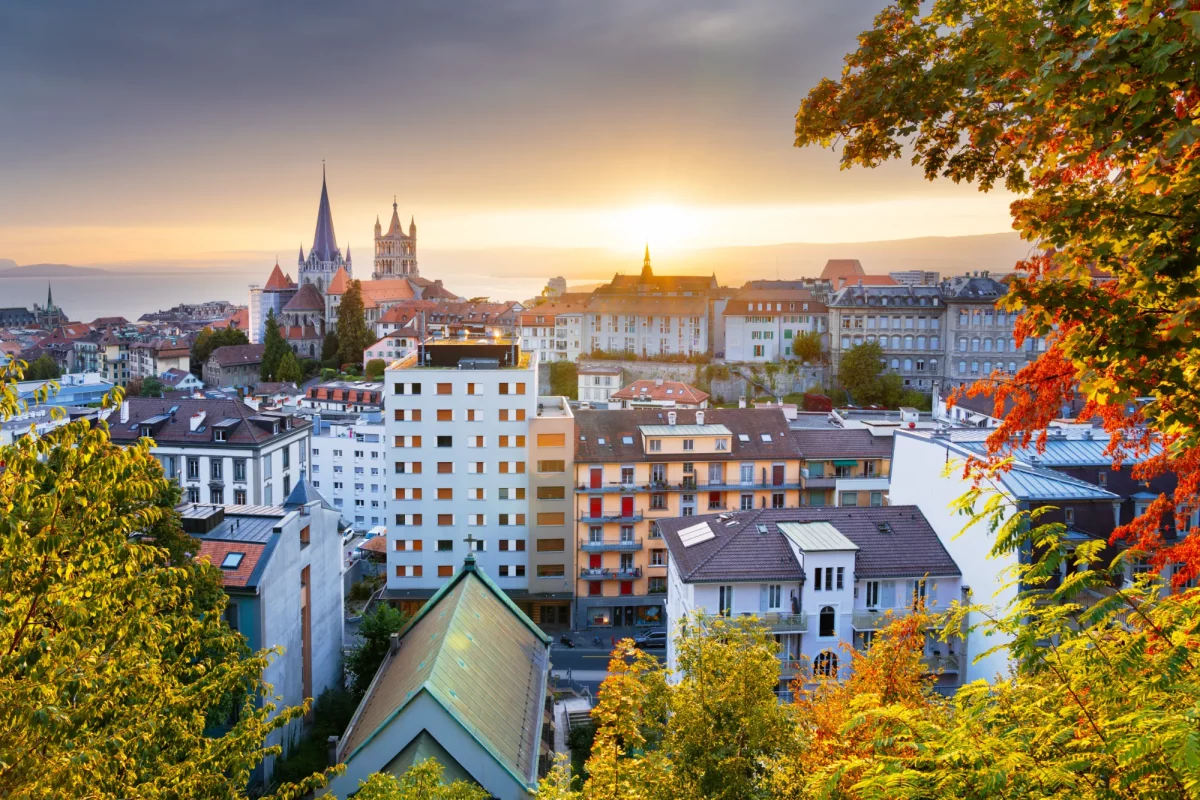
    Perched on three hills that cascade down to the shores of Lake Geneva, Lausanne surprises with its bold topography and cosmopolitan energy. The second-largest city in French-speaking Switzerland after Geneva, it is home to nearly 150,000 residents in a metropolis where international students, Olympic athletes and culture lovers cross paths.

    Lausanne is a city of striking contrasts : an automated metro climbs its steep slopes, linking the medieval old town to lively modern neighbourhoods in just minutes. In the Flon, a former industrial district turned trendy hotspot, the terraces buzz with a mix of languages and laughter until nightfall. As the Olympic Capital of the world, the city combines sporting spirit, knowledge and culture, between the EPFL, the University of Lausanne, the port of Ouchy and the UNESCO-listed Lavaux vineyards.

    “The most important thing in life is not the triumph but the struggle; the essential thing is not to have conquered but to have fought well.” This famous quote by Pierre de Coubertin resonates especially in Lausanne, home of the International Olympic Committee since 1915.

    Location and access

    At the crossroads of the Alps and Lake Geneva

    Lausanne enjoys a strategic location on the northern shore of Lake Geneva, halfway between Geneva (62 km to the west) and Montreux (30 km to the east). The city rises from 372 metres above sea level at the lakeside in Ouchy to 871 metres at the Signal de Sauvabelin, with spectacular differences in elevation that shape its urban identity.

    • From Geneva : 65 km, approx. 50 min by car / 40 min by direct train
    • From Bern : 110 km, approx. 1 h 15 by car / 1 h 15 by train
    • From Zurich : 230 km, approx. 2 h 30 by car / 2 h 30 by train
    • From Lugano : 380 km, approx. 5 h 30 by car / 4 h 30 by train

    Road and rail access : The A1 motorway connects Lausanne to Geneva, Bern and Zurich, while the A9 heads towards Valais and the Alps. Lausanne’s SBB station is a major rail hub, served by regional, InterCity and international trains.

    Air access : Geneva Airport (45 min), Zurich Airport (2 h 30).

    Lake access : Lausanne is served by CGN boats.

    Zurich
    Genève
    Berne
    Lugano
    Zurich
    Lausanne
    Genève
    Berne
    Lugano

    Geography and climate

    Between lake and hills, a landscape that shapes the city

    Lausanne stands out for its spectacular topography, unique in Switzerland. The city is spread across three main hills, the Cité, the Bourg and Saint-Laurent, separated by two deep valleys, the Flon and the Louve. This rugged terrain creates differences in elevation of up to 500 metres between the quays of Ouchy and the heights of the Jorat, shaping a city in constant vertical motion.

    Lake Geneva borders Lausanne along 15 kilometres of shoreline, offering beaches, harbours and promenades facing the Savoy Alps. On clear days, the panorama stretches to Mont Blanc in the east and the peaks of the Vaud Chablais to the south-east. To the north, the Jorat forests spread their century-old beech groves, the green lungs of the conurbation.

    DI 86° / 11°
    LU 910° / 13°
    MA 1013° / 15°
    ME 1113° / 13°
    JE 1212° / 16°
    VE 1313° / 9°

    Lausanne’s climate benefits from the moderating influence of Lake Geneva. Summers are mild (an average of 20°C in July) with refreshing evenings, perfect for enjoying panoramic terraces. Winters remain temperate (2-3°C in January) with occasional snowfall that drapes the city in a fleeting white mantle.

    Heritage and Culture

    A cultural capital between medieval history and the avant-garde

    Lausanne reveals a heritage of unexpected richness. The Gothic Cathedral of Notre-Dame, a 13th-century gem, dominates the old town with its soaring silhouette, and its night watchman still calls out the hours from the tower. Cobbled lanes wind between mansions and the former bishop’s palace, witnesses to a thousand years of history.

    But Lausanne truly shines through its cultural boldness : the PLATEFORME 10 district brings together three cantonal museums (Fine Arts, Photo Elysée, Design and Applied Arts) in striking contemporary architecture. The Olympic Museum, renovated in 2013, celebrates the universal sporting spirit by the lake. The Collection de l’Art Brut displays extraordinary works in a venue unlike any other in the world. This city lives and breathes culture on every street corner.

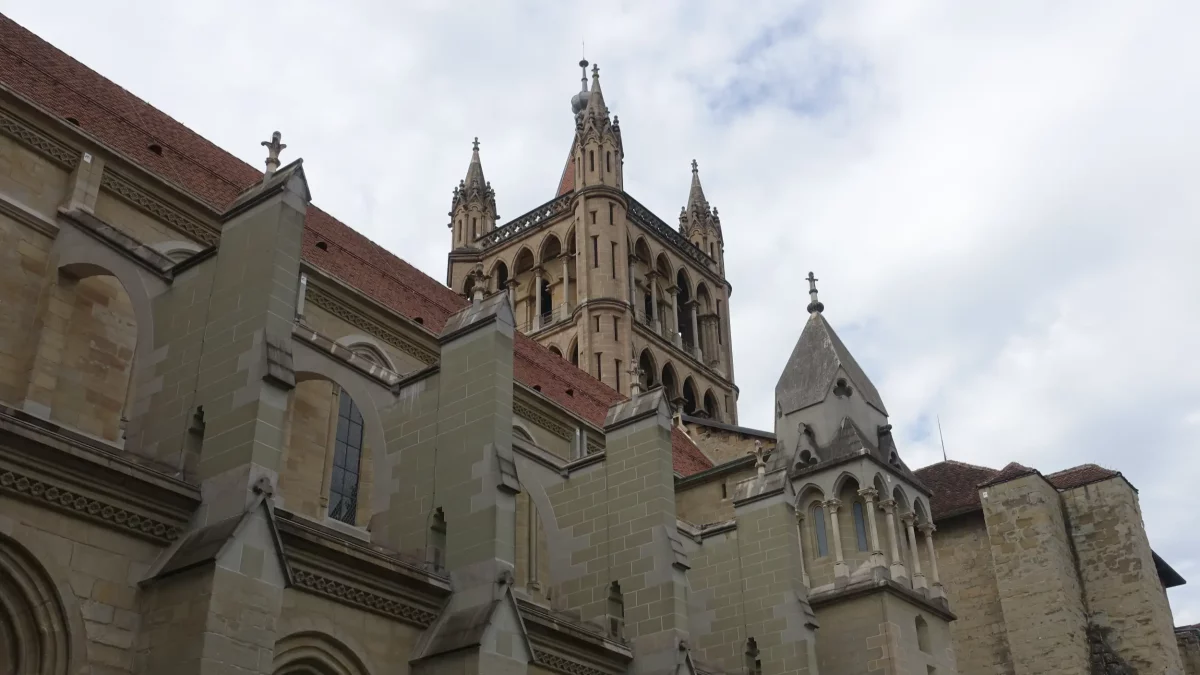
    Lausanne Cathedral

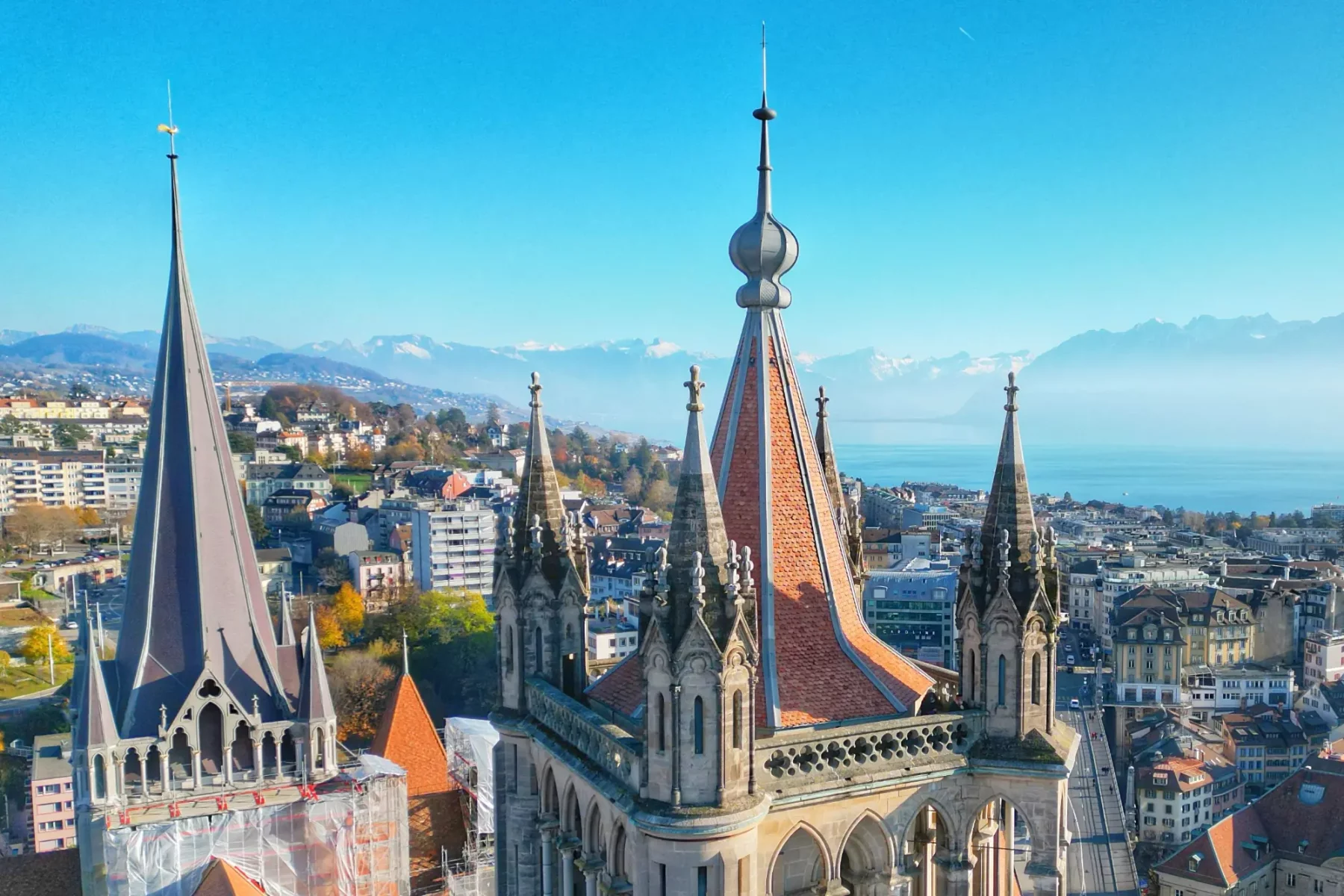
    Lausanne Cathedral of Notre-Dame, built between 1170 and 1275, towers over the old town with its Gothic architecture. Inside, you’ll discover a painted portal, a 13th-century rose window, carved choir stalls and a tower open to the public.

    Cathédrale de Lausanne

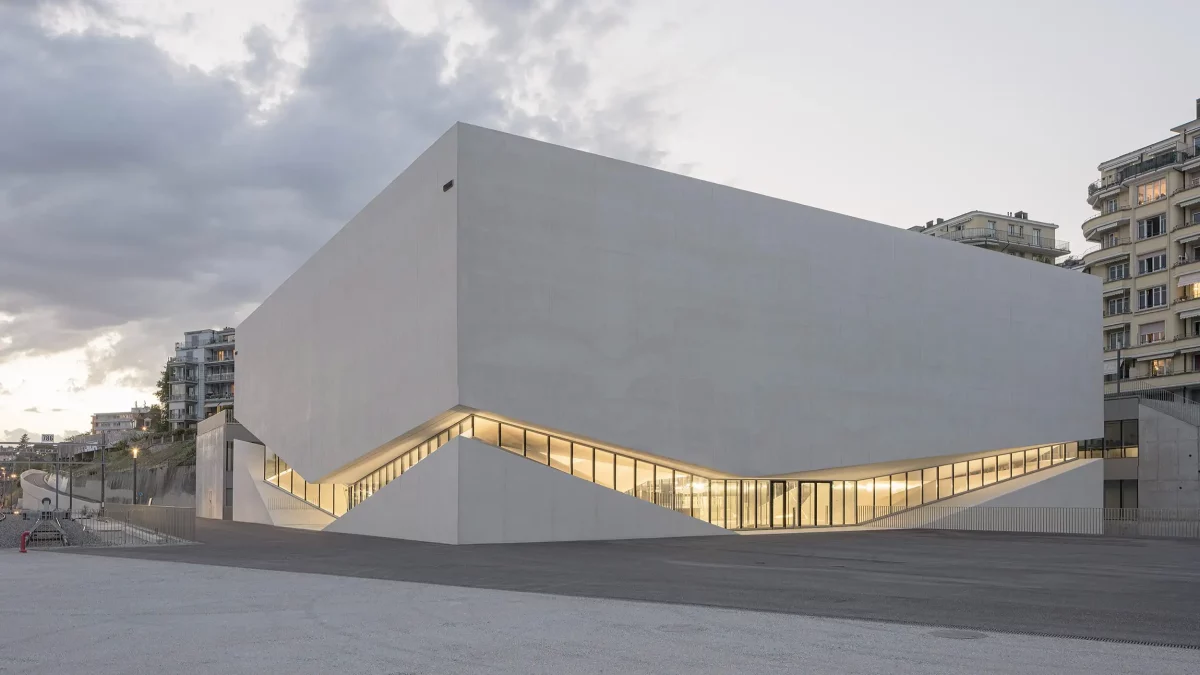
    MUDAC Museum of Contemporary Design and Applied Arts

    MUDAC is Lausanne’s museum of contemporary design and applied arts, located at Plateforme 10 near the railway station. Its temporary exhibitions and its collection of more than 7,000 objects explore design, glass, textiles and graphic design.

    MUDAC Musée de design et d'arts appliqués contemporains

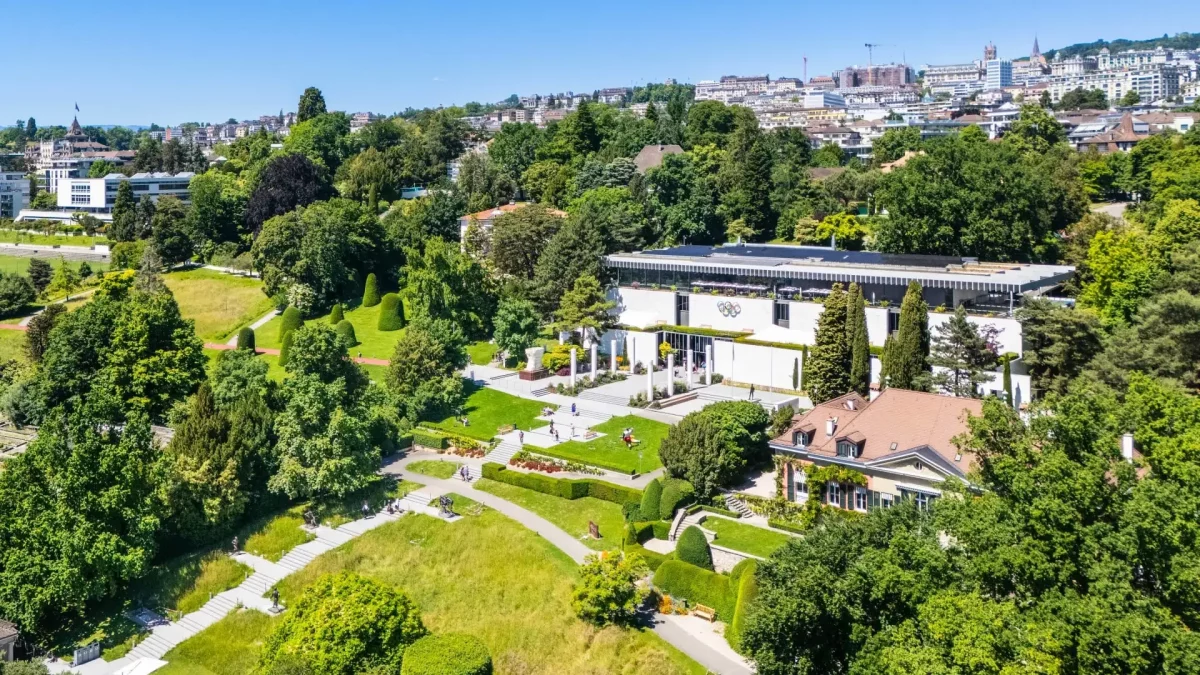
    Olympic Museum

    The Olympic Museum in Lausanne traces the history of the Games from Antiquity to the present day, set above the Quai d’Ouchy on the shores of Lake Geneva. Discover medals, torches and athletes’ equipment, interactive displays and a sculpture park.

    Musée Olympique

    Fondation de l’Hermitage

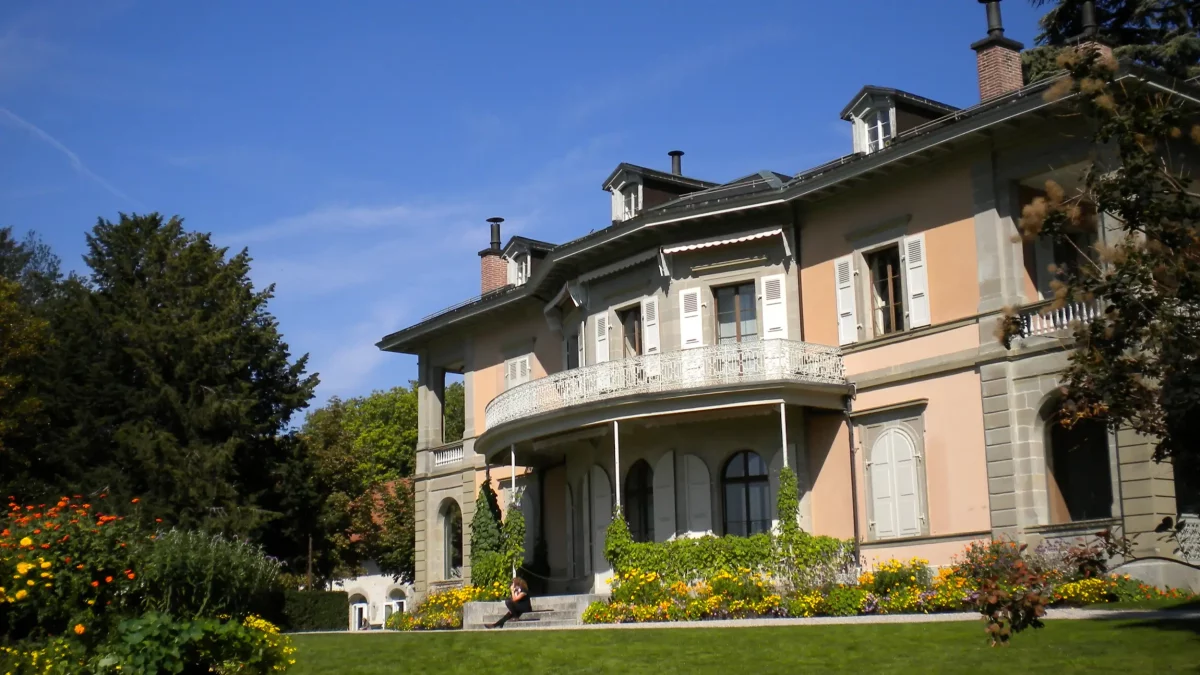
    The Fondation de l’Hermitage is an art museum known for its temporary exhibitions devoted to Impressionism, Post-Impressionism and 20th-century art. Housed in an 1850 villa in the upper part of Lausanne, it is surrounded by a park overlooking Lake Geneva.

    Fondation de l'Hermitage

    Night watchman for 600 years

    Every night since 1405, between 10 pm and 2 am, a voice rings out from the tower of Lausanne Cathedral. The watchman, dressed in traditional costume, calls out the hours to the four points of the compass : “C’est le guet, il a sonné dix heures !” (“This is the watch, it has struck ten !”) This tradition, unique in Europe, continues a ritual born in the Middle Ages, when the watchman warned of fires and dangers in the night.

    Climbing the 153 steps to the watchman’s platform is a timeless experience. Up there, 75 metres high, the wind whistles between the Gothic stones while Lausanne sparkles below, from the lake to the lights of the Jorat.

    Cathédrale de Lausanne

    Gastronomy and lifestyle

    Vaud flavours and cosmopolitan creativity

    Lausanne generously celebrates Vaud’s local produce and even cultivates its own municipal vineyards, producing renowned Chasselas wines.

    Every Wednesday and Saturday morning, the Riponne market comes alive with colours and delicious aromas : seasonal fruit and vegetables, artisan breads, alpine cheeses, local meats and charcuterie. Specialities not to be missed include cuchaule, a lightly sweetened saffron brioche, and salées au fromage, small puff-pastry cheese tarts typical of Vaud.

    In the Flon, cosmopolitan bistros serve bold world cuisine, while Sunday brunches in city-centre cafés bring locals and visitors together in a creative, relaxed atmosphere.

    Our selection of restaurants in Lausanne

    • L'Appart
      Rue de Bourg 29, 1003 Lausanne Google note : 4.9
      Voir sur Google
    • La Bavaria
      Rue du Petit-Chêne 10, 1003 Lausanne Google note : 4.5
      Voir sur Google
    • Le Comptoir
      Pl. René-Auberjonois, 1005 Lausanne Google note : 4.6
      Voir sur Google
    • Maza - Restaurant de partage
      Rue Marterey 29, 1005 Lausanne Google note : 4.9
      Voir sur Google

    Nature and activities

    Lakes, forests and vineyards : abundant nature on the city's doorstep

    Lausanne offers a natural playground of rare diversity, where the lake meets forests and terraced vineyards. Outdoor enthusiasts will find plenty to enjoy in every season, without ever leaving the city area.

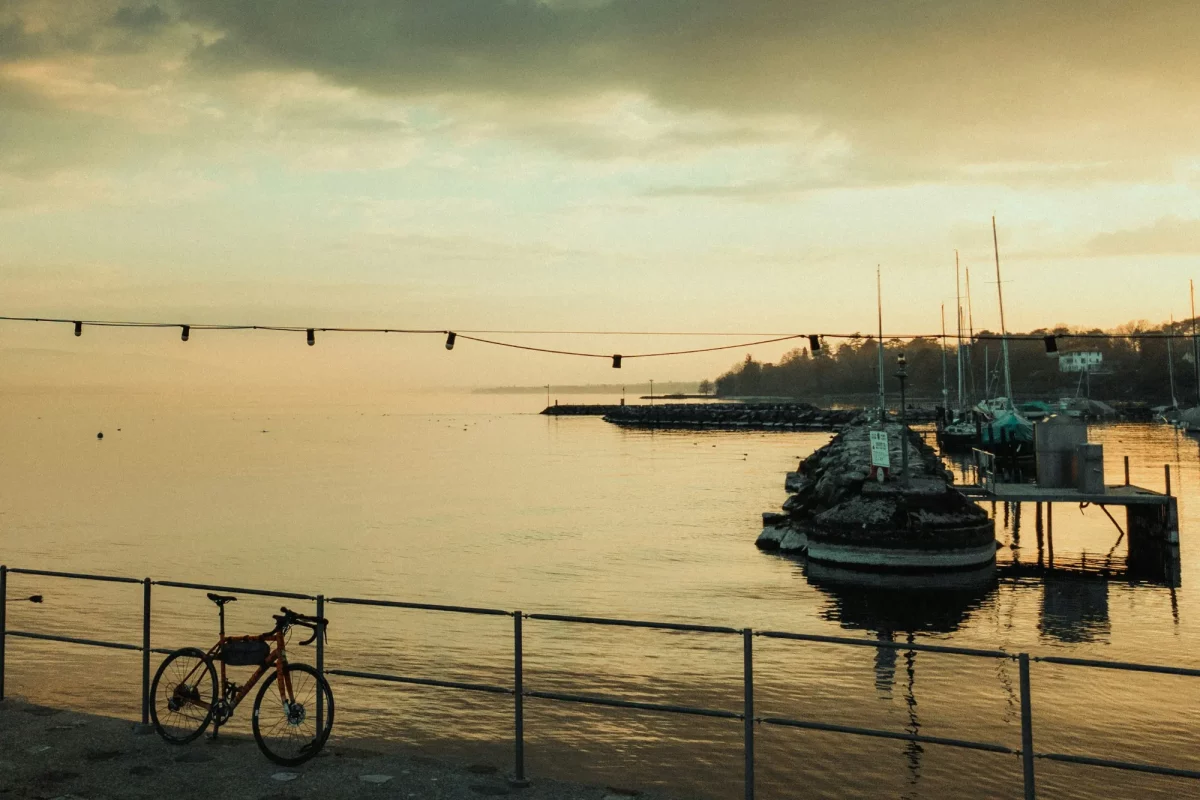
    The shores of Lake Geneva are the vibrant heart of leisure in Lausanne. In Ouchy, the promenade lined with century-old plane trees stretches for several kilometres, dotted with benches facing the Savoy Alps. The Vidy and Bellerive beaches welcome swimmers and windsurfers from the first sunny days of May. Every day, CGN boats depart from the port of Ouchy for Geneva, Évian, Montreux and the wine villages of Lavaux.

    The Jorat woods, north of the city, cover 2,700 hectares of beech and fir forest. Locals come here to run, cycle or stroll with their families along a network of waymarked trails. Nestled in these forests, the Sauvabelin wildlife park is home to deer, wild boar and ibex in spacious enclosures. Its wooden observation tower offers a 360° view over the city, the lake and the Alps.

    Sauvabelin Tower

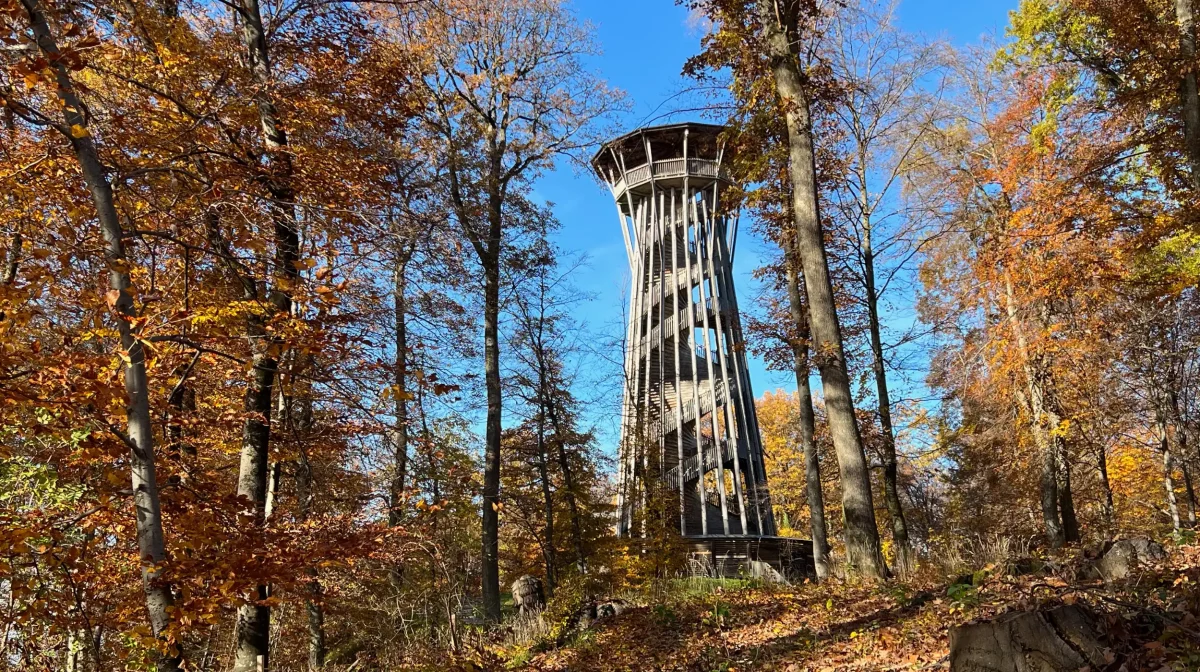
    Sauvabelin Tower is a solid wood tower over 35 m tall rising from the Sauvabelin forest, in the upper part of Lausanne. Its 151 ascending steps, arranged in a double helix, lead to a platform with views over the city, Lake Geneva, the Alps and the Jura.

    Tour de Sauvabelin

    Lausanne Botanical Garden

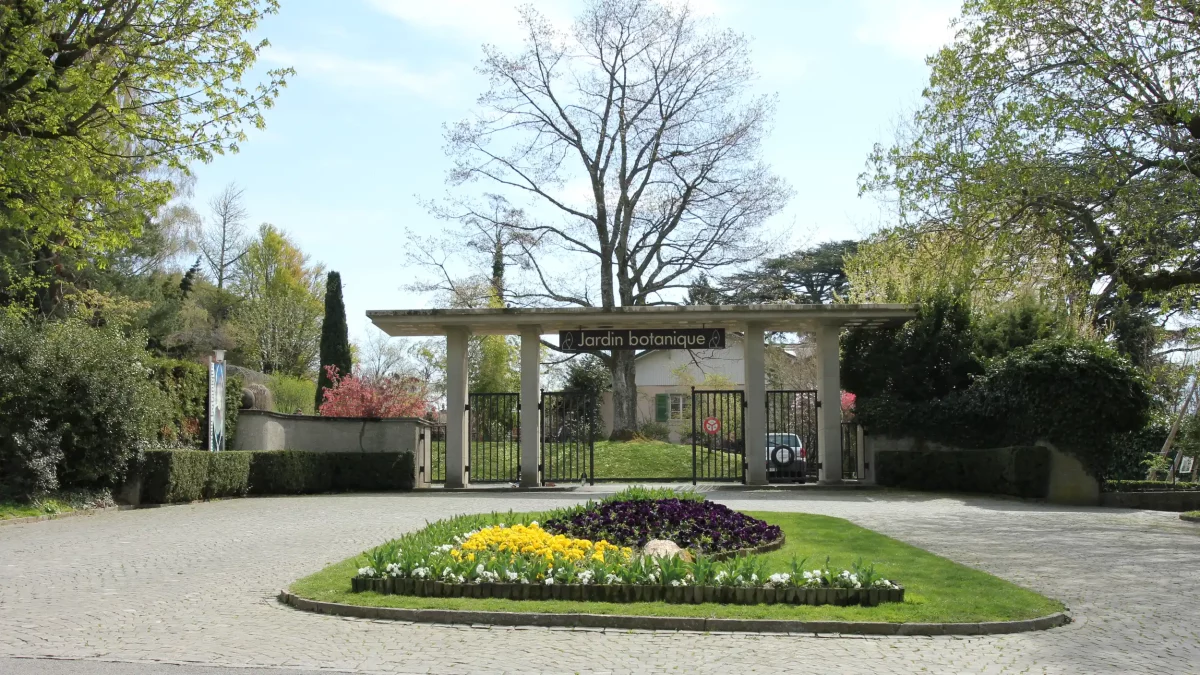
    The Lausanne Botanical Garden displays more than 6,000 plant species across 6 hectares in the Parc de Milan. Explore tropical greenhouses, an alpine garden, an arboretum, medicinal plants and a vivarium of amphibians and reptiles.

    Jardin botanique de Lausanne

    Lac de Sauvabelin

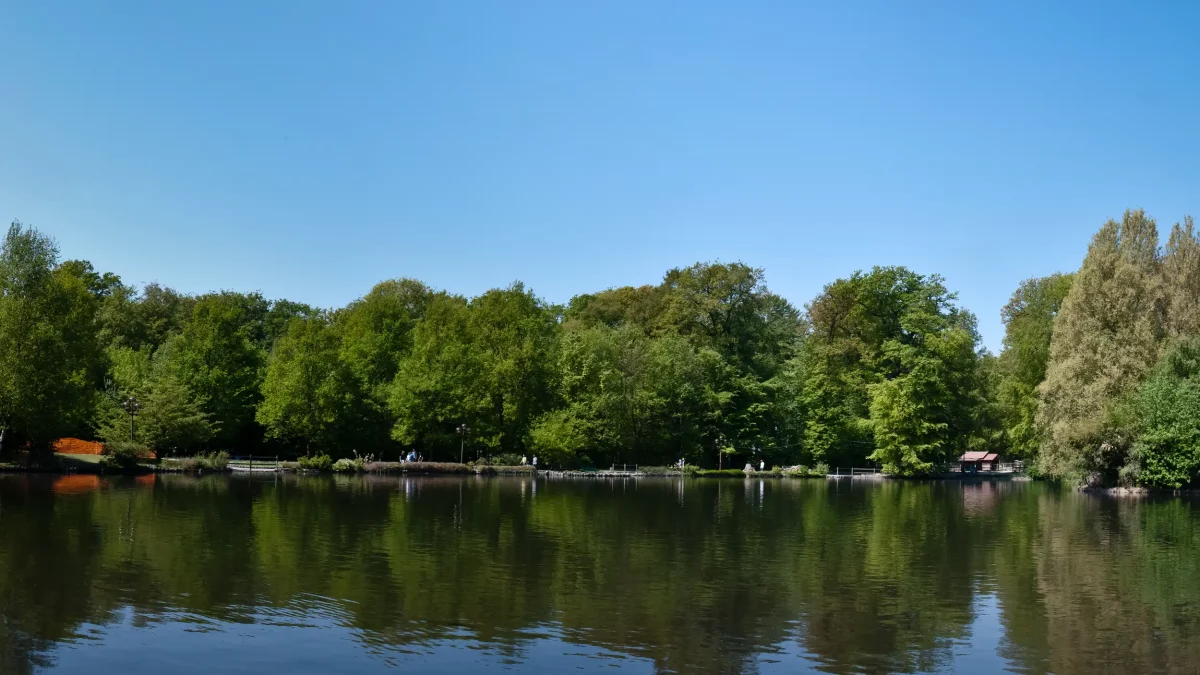
    Lac de Sauvabelin is a 2-hectare man-made lake created in the 19th century in a beech forest north of Lausanne. Walk around the water, watch ducks and swans, then see fallow deer, ibex and marmots at the neighbouring wildlife park.

    Lac de Sauvabelin

    Practical information

    Budget and tips for discovering Lausanne

    Useful tips

    • Languages : the local language is French, but English and German are widely understood in tourist areas.
    • Local transport : Lausanne public transport (TL) includes two metro lines (M1 and M2, the only fully automated line in Switzerland) and a dense bus network. Single ticket : CHF 3.80, Mobilis 24h day ticket (zone 11) : CHF 9.60. The Lausanne Card (CHF 26/24h, CHF 36/48h, CHF 46/72h) includes unlimited transport and free or reduced admission to museums.
    • Average budget : allow approx. CHF 160 to 250 per day for a 3-star hotel, CHF 20 to 40 per meal in a standard restaurant, and CHF 10 to 25 for a museum or cinema ticket; Switzerland uses the Swiss franc (CHF), and bank cards are accepted almost everywhere.

    How many days to visit Lausanne ?

    • 1 day : visit the Olympic Museum and the Cathedral and its Tower, stroll through the old town and enjoy a meal in Ouchy overlooking Lake Geneva.
    • 1 weekend : combine culture (museums, shows), nature (Sauvabelin park) and conviviality (an evening in the bars of the Flon)
    • 4 to 5 days : browse the city-centre market, set off to explore the UNESCO-listed Lavaux vineyards and end your days with a concert or an evening at the theatre.
    • 1 week or more : extend the experience on the Vaud Riviera by visiting the famous Château de Chillon or the fascinating world of Chaplin’s World, and head off to explore international Geneva with its iconic Jet d’Eau and rich cultural heritage.