
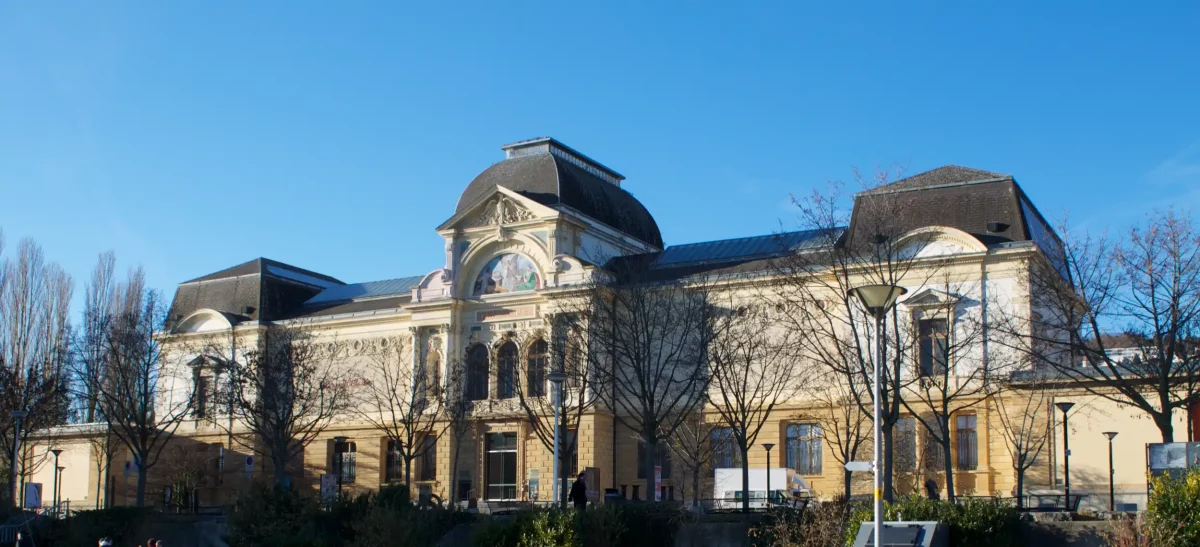
Founded in 1904 in the Villa de Pury, the Neuchâtel Museum of Ethnography is renowned for its innovative and unconventional exhibitions on human societies. Here you can discover objects from all over the world in a park overlooking the city.
Ethnographic museums
Main highlights
- Innovative exhibitions renowned since the 1980s for their critical and theatrical approach
- Collections of around 50,000 objects from every region of the globe, with a focus on Africa
- Monumental fresco by Hans Erni adorning the building’s façade since 1955
Overview
The history of the MEN dates back to the Natural History Cabinet of General Charles Daniel de Meuron, donated to the City in 1795. After several moves, the ethnographic collections settled in the villa bequeathed by James-Ferdinand de Pury, which opened on 14 July 1904.
The collections grew through donations from Neuchâtel travellers, merchants, scholars and missionaries, as well as targeted acquisitions and scientific expeditions. The museum also holds diplomatic gifts received by Switzerland and a major collection of contemporary industrial objects.
"*" indicates required fields
What to see and do
The site comprises three buildings : the Villa de Pury, home to the permanent exhibition; the Black Box, dedicated to temporary exhibitions; and the University of Neuchâtel’s Institute of Ethnology, built in 1986, with its shared library. On the façade, the Hans Erni fresco dates from 1955.
The permanent exhibition explores how perceptions of objects and their status within the museum have evolved. It draws on the institution’s history and the social practices it studies, and offers a reflection on the museum’s role in society.
The temporary exhibitions juxtapose here and elsewhere, the prestigious and the mundane, the handcrafted and the industrial. They draw on art, classical ethnology and industrial production. Guided tours and workshops are available for all ages.
Practical information
Getting there : on foot from the city centre via Rue du Château, Rue Jeanne de Hochberg and then Chemin du Petit Pontarlier. By bus, stop at Place Pury.
Visit duration : allow 1.5 to 2 hours for the permanent exhibition and one temporary exhibition.
Visitors : the Atelier des Musées, a service shared by Neuchâtel’s municipal museums, offers workshops and tours suited to families.
Visiting tips
The museography may surprise you if you are expecting a traditional ethnographic museum : it encourages reflection rather than contemplation. Take time to read the labels and explanatory texts, which are rich and detailed.
The museum is ideal for a rainy day or as part of a cultural outing in the city.
Nearby attractions
- The Neuchâtel Botanical Garden, in the Vallon de l’Ermitage, combines nature and scientific collections.
- The Collegiate Church of Neuchâtel, built between the 12th and 13th centuries, blends Romanesque volumes with Gothic influences.
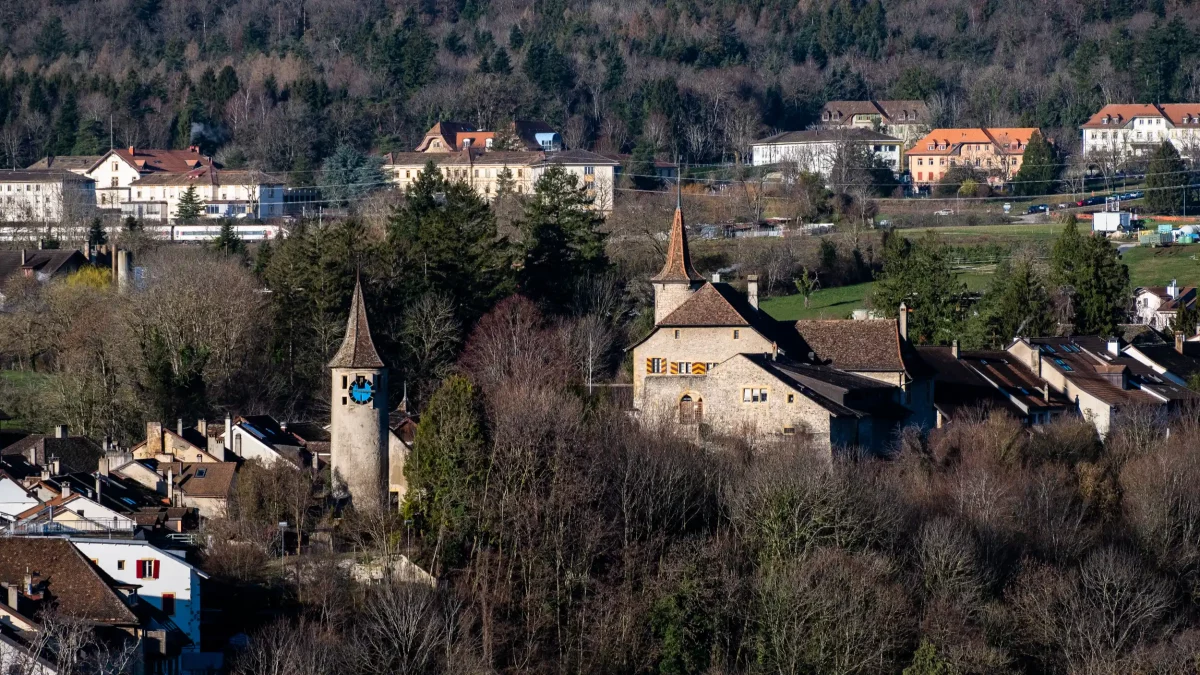
- Valangin Castle stands on a rocky promontory above the Seyon Gorge.
 Report an error or complete the informations
Reviews about this place