
The Avenches Roman Site and Museum showcases the remains of Aventicum, capital of Roman Helvetia, which had nearly 20,000 inhabitants. You can visit an archaeological museum, an amphitheatre, baths and a signposted trail through the town.
History museums
Main highlights
- Roman Museum with the gold bust of Marcus Aurelius, mosaics, sculptures and glassware
- 1st-century amphitheatre, the best-preserved monument of the ancient Roman city
- Signposted archaeological trail to the Cigognier, the baths and the remains of the forum
Overview
Founded around 15 BC, Aventicum became the capital of Roman Helvetia under Emperor Claudius. The city flourished from the 1st to the 3rd century. It covered more than 200 hectares and served as a trading crossroads between the Rhine and Italy.
The small town of Avenches preserves many remains from this period. The Roman Museum is housed in an 11th-century medieval tower built on the amphitheatre. Its collections tell the story of daily life in Aventicum through archaeological finds made on the site.
"*" indicates required fields
What to see and do
The museum houses the gold bust of Marcus Aurelius, which has become the symbol of the town. You can also see polychrome mosaics, carved funerary stelae, jewellery, everyday objects and a collection of Roman glassware. The permanent exhibition traces the history of Aventicum, from its founding to its decline.
Built in the 1st century, the amphitheatre could hold 16,000 spectators for gladiator fights and performances. Restored in the 20th century, it hosts shows in summer.
A signposted archaeological trail links the remains scattered around Avenches. The Cigognier sanctuary preserves a 12 m column, the remnant of a temple dedicated to a local deity. The baths reveal the underfloor heating system, and the remains of the forum recall the city’s commercial activity.
Practical information
Getting there : Avenches station is a 10-minute walk from the historic centre. Parking is available near the museum.
Visit duration : allow 2 to 3 hours on foot for the archaeological trail.
On site : the amphitheatre and outdoor remains are freely accessible, with information panels in French, German and English.
Visiting tips
Start with the Roman Museum to understand the history of Aventicum before exploring the remains. Wear good shoes, as the trail includes a few climbs. In summer, go in the morning to avoid the heat.
Nearby attractions
- The Vallon Roman Museum showcases a Roman site and its “Hunt” and “Bacchus and Ariadne” mosaics.
- The Murten Museum presents the history and heritage of the town of Murten.
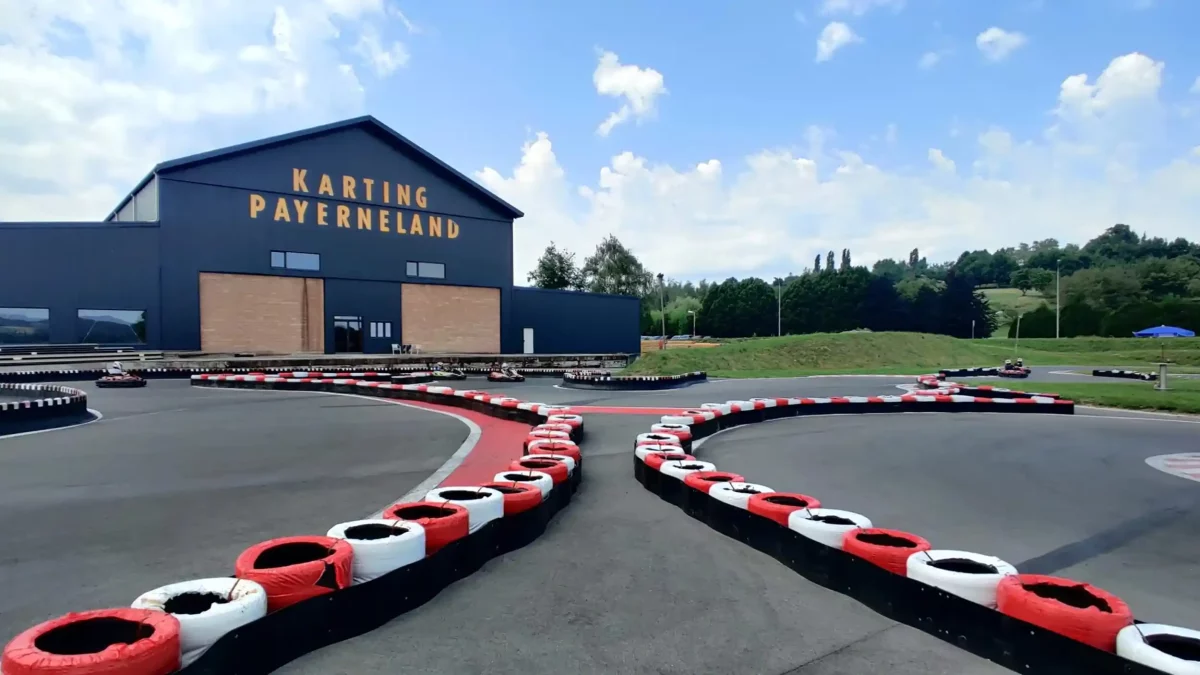
- Payerneland, in Payerne, is a multi-activity park offering leisure for the whole family.
 Report an error or complete the informations
Reviews about this place